


No products in the cart.

Cumin Seed Storage requires which temperature and humidity conditions to preserve the quality and aroma of cumin seeds? How should bulk cumin seeds be stored to prevent moisture absorption and mold growth? What type of packaging is best for maintaining cumin aroma and essential oils? How can importers protect cumin seeds from insects, dust and contamination during warehouse storage? Does temperature affect the shelf life and quality of cumin seeds? How should cumin seeds be handled during transportation to prevent quality loss? What are the most common storage mistakes that reduce cumin seed quality? How long can cumin seeds maintain their aroma and freshness under proper storage conditions?
Bulk Cumin Seed Storage and Handling: How to Preserve Aroma and Quality
Cumin seeds are widely used in the international spice trade and food manufacturing industry. Their distinctive aroma, flavor and essential oil content make them an important ingredient for spice processors, food manufacturers, wholesalers and importers. However, maintaining cumin quality after harvesting and processing requires proper storage and handling.
For businesses purchasing cumin seeds in bulk, storage conditions can directly affect product quality, aroma, appearance and commercial value. Excessive moisture, unsuitable packaging, poor warehouse hygiene and improper transportation can lead to deterioration, mold growth, insect infestation and loss of characteristic aroma.
This guide explains how to store and handle bulk cumin seeds, protect their quality during warehousing and transportation, and reduce the risks associated with long-term storage.

1. Why Proper Cumin Storage Matters
Cumin seeds contain natural aromatic compounds and essential oils responsible for their characteristic flavor and smell. These compounds contribute significantly to the commercial quality of cumin.
However, cumin can gradually lose its aroma when exposed to unsuitable environmental conditions. Moisture absorption can also increase the risk of mold development and product deterioration.
Proper storage is important for several reasons:
- Preserving the characteristic aroma and flavor of cumin.
- Maintaining the product’s original appearance.
- Preventing moisture absorption.
- Reducing the risk of mold and microbial contamination.
- Protecting the product against insects and rodents.
- Maintaining consistent quality during bulk distribution.
- Reducing commercial losses during storage and transportation.
For importers and wholesalers, maintaining product quality after delivery is just as important as purchasing a suitable product in the first place.
2. Ideal Storage Conditions for Cumin Seeds
Cumin seeds should be stored in a clean, dry and well-maintained warehouse. The storage environment should protect the product from excessive moisture, direct sunlight, water leakage and significant temperature fluctuations.
The most important storage considerations include:
Temperature management: Excessive heat can accelerate the deterioration of aromatic compounds and reduce the quality of stored cumin. Warehouses should be protected from direct sunlight and unnecessary heat sources.
Humidity control: High relative humidity can increase the risk of moisture absorption and mold development. Storage facilities should maintain an environment that prevents the product from absorbing excessive moisture.
Ventilation: Adequate air circulation helps reduce moisture accumulation and condensation. However, ventilation should not expose the product to humid outside air, dust or contamination.
Protection from water: Roof leaks, wet floors, damaged walls and condensation can expose cumin bags to moisture. These risks should be identified and controlled.
According to Codex guidance for spices, storage conditions should prevent moisture levels that support mold growth. The Codex Code of Practice also emphasizes appropriate ventilation, warehouse hygiene and protection against water and pests.
3. Temperature and Humidity Control
Temperature and relative humidity are closely connected to the stability of dried spices. Improper warehouse conditions can affect both the moisture content of cumin seeds and their storage life.
Although there is no single temperature setting suitable for every warehouse and shipment, the following practices can help maintain product quality:
- Avoid storing cumin near boilers, heating systems or other heat sources.
- Protect warehouse roofs and walls against excessive heat.
- Monitor temperature and relative humidity regularly.
- Prevent condensation inside storage areas.
- Keep doors and windows protected against rain and humid air.
- Avoid sudden environmental changes that may cause moisture condensation.
Humidity management is particularly important in regions with hot and humid climates. In such conditions, suitable ventilation and moisture-resistant packaging become even more important.
Importers should also remember that warehouse humidity and product moisture content are different measurements. A warehouse may have acceptable humidity levels while a particular batch of cumin still requires moisture testing.

4. Protecting Cumin Aroma and Essential Oils
The characteristic aroma of cumin is closely related to its volatile aromatic compounds and essential oils. These compounds contribute to the flavor profile that makes cumin valuable in seasoning products, spice blends and food manufacturing.
During storage, exposure to heat, oxygen, moisture and unsuitable packaging can contribute to aroma deterioration.
To preserve cumin aroma, businesses should consider the following measures:
Use suitable packaging: Packaging should provide appropriate protection against moisture and external contamination.
Limit unnecessary exposure to air: Bags should remain properly sealed after opening. Large quantities should not be repeatedly exposed to warehouse air.
Avoid direct sunlight: Prolonged exposure to sunlight and heat can negatively affect product quality.
Maintain warehouse hygiene: Strong odors from chemicals, detergents, fuels and other materials may affect the natural aroma of cumin.
Control storage duration: Long storage periods should be supported by regular quality checks and proper stock rotation.
For manufacturers who require consistent flavor in their products, maintaining aroma quality throughout the supply chain is an important commercial consideration.
5. Suitable Packaging for Bulk Cumin Seeds
Packaging is one of the most important factors in protecting cumin seeds during storage and transportation.
The appropriate packaging depends on the shipment quantity, transportation method, storage duration and buyer’s requirements.
Common packaging options include:
Woven polypropylene bags: These are commonly used for commercial agricultural products and bulk spice shipments. Their suitability depends on the product condition and whether an appropriate inner liner is used.
Food-grade inner liners: Suitable liners can provide additional protection against moisture and contamination. The material should be appropriate for direct food contact.
Multi-layer packaging: Different packaging layers may provide improved protection during longer transportation and storage periods.
Customized export packaging: Importers may request specific net weights, labeling, bag dimensions and packaging arrangements according to their market requirements.
When selecting packaging, buyers should consider:
- Food-contact suitability.
- Moisture protection.
- Strength and resistance to tearing.
- Ease of handling and loading.
- Compatibility with the transportation method.
- Destination-market labeling requirements.
Packaging should be clean, dry and free from foreign odors before filling. It should also be properly sealed to reduce the risk of contamination during storage and shipment.

6. Warehouse Hygiene and Pest Prevention
Warehouse hygiene is essential for maintaining the quality and safety of bulk cumin seeds.
Insects and rodents can damage packaging, contaminate the product and contribute to the spread of microorganisms. Poor warehouse hygiene can also increase the risk of contamination from dust, debris and other stored materials.
A suitable warehouse management program should include:
Regular cleaning: Floors, walls, storage areas and handling equipment should be cleaned according to an appropriate hygiene schedule.
Pest monitoring: Warehouses should be inspected regularly for signs of insects, rodents and other pests.
Proper stacking: Cumin bags should be stored on clean, dry pallets rather than directly on the floor.
Wall clearance: Bags should be kept away from walls to reduce the risk of moisture transfer and allow inspection and cleaning.
Separation of products: Cumin should not be stored next to chemicals, fuels, detergents or strongly scented materials.
Inspection of packaging: Damaged, wet or contaminated bags should be identified and separated for evaluation.
Any pest-control treatment must comply with applicable food safety regulations. Chemicals should never be applied directly to cumin seeds unless a specific treatment is legally permitted and properly controlled.
7. Handling Cumin During Transportation
Transportation is another important stage in maintaining cumin quality. Even a properly stored product can deteriorate if exposed to rain, moisture, contamination or unsuitable conditions during loading and delivery.
Before loading a bulk shipment, exporters and logistics providers should check the following:
- The truck or shipping container is clean and dry.
- The interior is free from strong odors.
- There are no visible leaks or openings that could allow water to enter.
- The floor is clean and suitable for loading food products.
- Packaging is intact and properly sealed.
- The cargo is protected against rain and external contamination.
For sea freight and long-distance transportation, container condition is particularly important. Containers should be inspected for moisture, damaged flooring, roof leaks and signs of previous contamination.
Another important issue is condensation. When cargo moves between areas with different temperatures, moisture may form inside containers. This can damage packaging and increase the moisture content of the product.
For this reason, transportation planning should consider the climate, journey duration, packaging type and expected environmental conditions.
8. Common Cumin Storage Mistakes
Some storage problems are caused by avoidable mistakes in warehouse management and handling procedures.
The most common examples include:
Storing bags directly on the floor: This increases the risk of moisture absorption and contamination.
Using unsuitable packaging: Packaging that does not provide adequate protection may allow moisture, dust and external odors to affect the product.
Poor warehouse ventilation: Insufficient air circulation can contribute to condensation and unfavorable storage conditions.
Ignoring damaged bags: Torn or poorly sealed bags can expose cumin to contamination and moisture.
Storing cumin near chemicals: Strong odors and chemical contamination can negatively affect product quality.
Keeping stock for too long without inspection: Long storage periods without regular monitoring may allow quality deterioration to remain unnoticed.
Loading into wet containers: Moisture inside trucks or shipping containers can damage an otherwise suitable shipment.
Avoiding these mistakes helps businesses maintain product quality and reduce unnecessary commercial losses.

9. Quality Inspection During Long-Term Storage
For businesses that purchase or store cumin in large quantities, regular inspection is an important part of warehouse management.
A practical inspection program should include:
Visual inspection: Check the color, appearance and general condition of the seeds.
Moisture testing: Monitor product moisture using an appropriate and recognized testing method.
Aroma assessment: Check whether the characteristic cumin aroma remains normal and whether any unusual odors are present.
Foreign matter inspection: Look for dust, stones, stems, insect fragments and other unwanted materials.
Packaging inspection: Check bags for tears, leaks, moisture damage and signs of contamination.
Pest inspection: Monitor the warehouse and packaging for signs of insect or rodent activity.
For larger commercial shipments, laboratory testing may also be appropriate. Depending on the destination market and buyer requirements, this may include moisture, volatile oil content, microbiological quality, pesticide residues or other relevant parameters.
Inspection results should be recorded to help identify changes in product quality over time.
10. How Long Can Cumin Seeds Be Stored?
The storage life of cumin seeds depends on several factors, including initial product quality, moisture content, packaging, warehouse conditions and transportation history.
Whole cumin seeds generally retain their aroma better than ground cumin because their natural structure remains largely intact. However, whole seeds can still lose quality if stored in unsuitable conditions.
There is no universal shelf-life period that applies to every cumin shipment. Suppliers should provide product-specific information, while importers should verify storage recommendations according to the actual product and destination-market requirements.
To maintain quality over time, businesses should:
- Purchase cumin with suitable initial quality.
- Confirm product moisture before storage.
- Use appropriate packaging.
- Maintain a clean and dry warehouse.
- Inspect stored products regularly.
- Apply the First In, First Out (FIFO) inventory system.
- Keep records of storage conditions and inspection results.
These measures help reduce deterioration and support more reliable bulk supply operations.
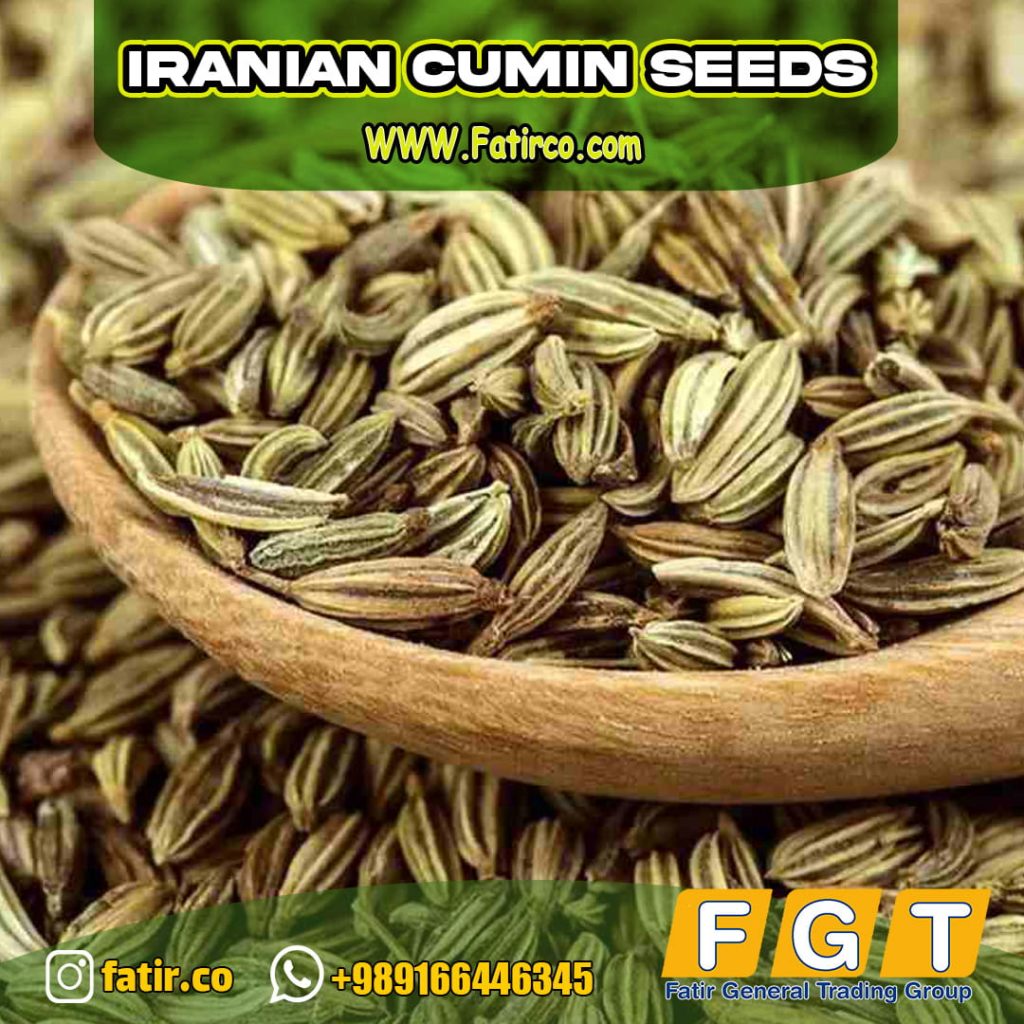
11. Why Proper Storage Matters When Buying Iranian Cumin Seeds
Iranian cumin seeds are supplied to domestic and international markets for use in spice processing, food manufacturing and wholesale distribution.
For international buyers, product quality should be considered throughout the entire supply chain, from sourcing and processing to packaging, storage and final delivery.
FATIR GENERAL TRADING CO. operates in agricultural and food product sourcing and international trade. The company coordinates with Iranian suppliers to support international buyers seeking agricultural products, including Iranian cumin seeds.
When sourcing cumin in bulk, buyers should clarify the required quality grade, moisture level, packaging type, quantity and destination market before confirming an order.
Proper storage and handling arrangements are also important to help preserve the agreed product quality until delivery.
12. Request a Bulk Cumin Seeds Offer
Are you an importer, wholesaler, spice processor or food manufacturer looking for cumin seeds from Iran?
FATIR GENERAL TRADING CO. welcomes inquiries from international buyers interested in bulk Iranian cumin seeds.
To receive a commercial quotation, please provide:
- Required quantity
- Preferred quality grade
- Moisture and purity requirements
- Packaging type and net weight
- Destination country
- Delivery point and preferred shipping method
- Any specific quality or documentation requirements
Our team can review your requirements and coordinate available supply options with Iranian suppliers.
Contact FATIR GENERAL TRADING CO.
Website: https://www.fatirco.com
Email: info@fatirco.com
Kuwait: +965 9801 9300
Iran: +98 916 644 6345
FATIR GENERAL TRADING CO. – Agricultural & Food Products Sourcing and Export.